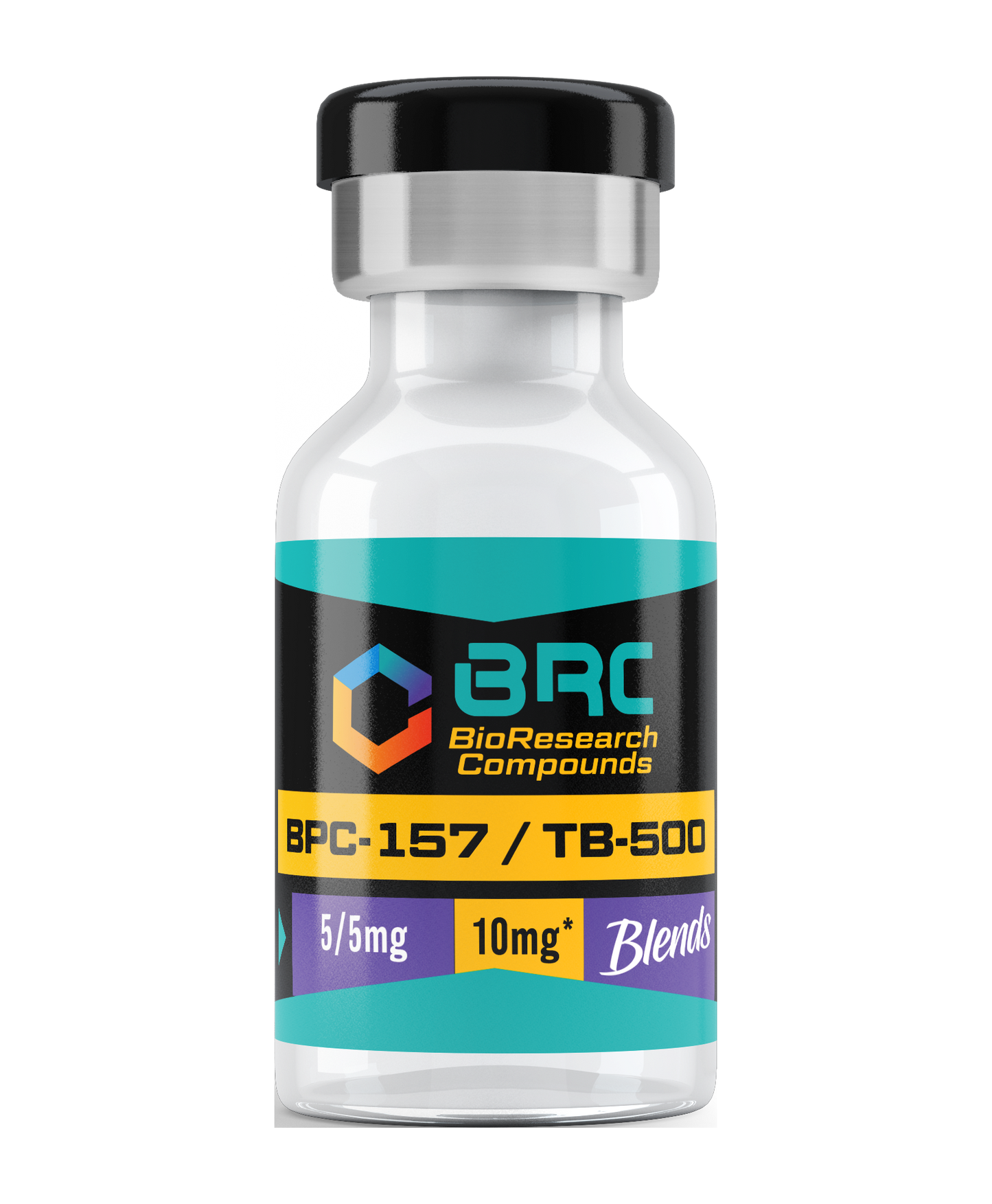
TheTB-500 + BPC-157 blendis asynergistic peptide formulationcombining theactin-sequestering peptide TB-500(a synthetic version of thymosin beta-4 fragment) withBPC-157, a stable gastric pentadecapeptide derived from body protection compound. Together, these peptides exhibitcomplementary regenerative, angiogenic, and anti-inflammatory effects, making the blend highly valued in experimental models ofwound healing,musculoskeletal repair,neuroprotection, andgut-brain axis modulation.
While each compound functions through distinct pathways—TB-500via cytoskeletal modulation andBPC-157via vascular stabilization and growth factor upregulation—their combination supportsaccelerated tissue regenerationandbroad-spectrum cytoprotection, especially in challenging or chronic injury models.
The TB-500 + BPC-157 blend works through multi-pathway repair cascades that are cell-type and injury-context specific:
TB-500:
Promotes actin polymerization by sequestering G-actin and enhancing cellular migration
Stimulates angiogenesis via upregulation of VEGF, PDGF, and MMPs
Mobilizes endothelial progenitor cells (EPCs) and supports cardiomyocyte survival
Aids in fibroblast and keratinocyte migration critical for wound closure and ECM remodeling
BPC-157:
Stabilizes endothelium and vasculature via activation of VEGFR2 and eNOS
Modulates the nitric oxide pathway, reducing oxidative and inflammatory damage
Enhances collagen formation, fibroblast recruitment, and gastrointestinal mucosal defense
Interacts with dopaminergic and serotonergic systems, supporting neuroregeneration and gut-brain homeostasis
Synergistic Effects:
Enhanced revascularization of injured tissues through dual VEGF and actin modulation
Accelerated myocyte and tendon healing via additive effects on fibroblast activation
Greater anti-inflammatory protection in both peripheral and CNS models
Potential for systemic repair signaling, particularly in cases of complex soft tissue trauma
Preclinical and Clinical Studies:
Tendon and ligament repair is significantly accelerated when BPC-157 and TB-500 are co-administered in animal injury models
Studies show faster epithelialization, angiogenesis, and collagen deposition than with either peptide alone
In rodent models of gastric ulceration, the blend enhances mucosal restoration and reduces inflammatory cytokines
Muscle regeneration studies show enhanced myoblast fusion, satellite cell recruitment, and vascular growth
CNS injury models reveal promising data on astrocyte protection and microglial modulation, though more research is needed
Intended Use:
The information provided on this site is intended exclusively for educational and research purposes and should not be interpreted as medical guidance.
Research compounds, including BPC-157 AND TB-500, are designed solely for laboratory investigation by qualified professionals and are not intended for human use or consumption.
The statements presented here have not been evaluated by the U.S. Food and Drug Administration, and the products discussed are not intended to diagnose, treat, cure, or prevent any disease.
Choosing a selection results in a full page refresh.