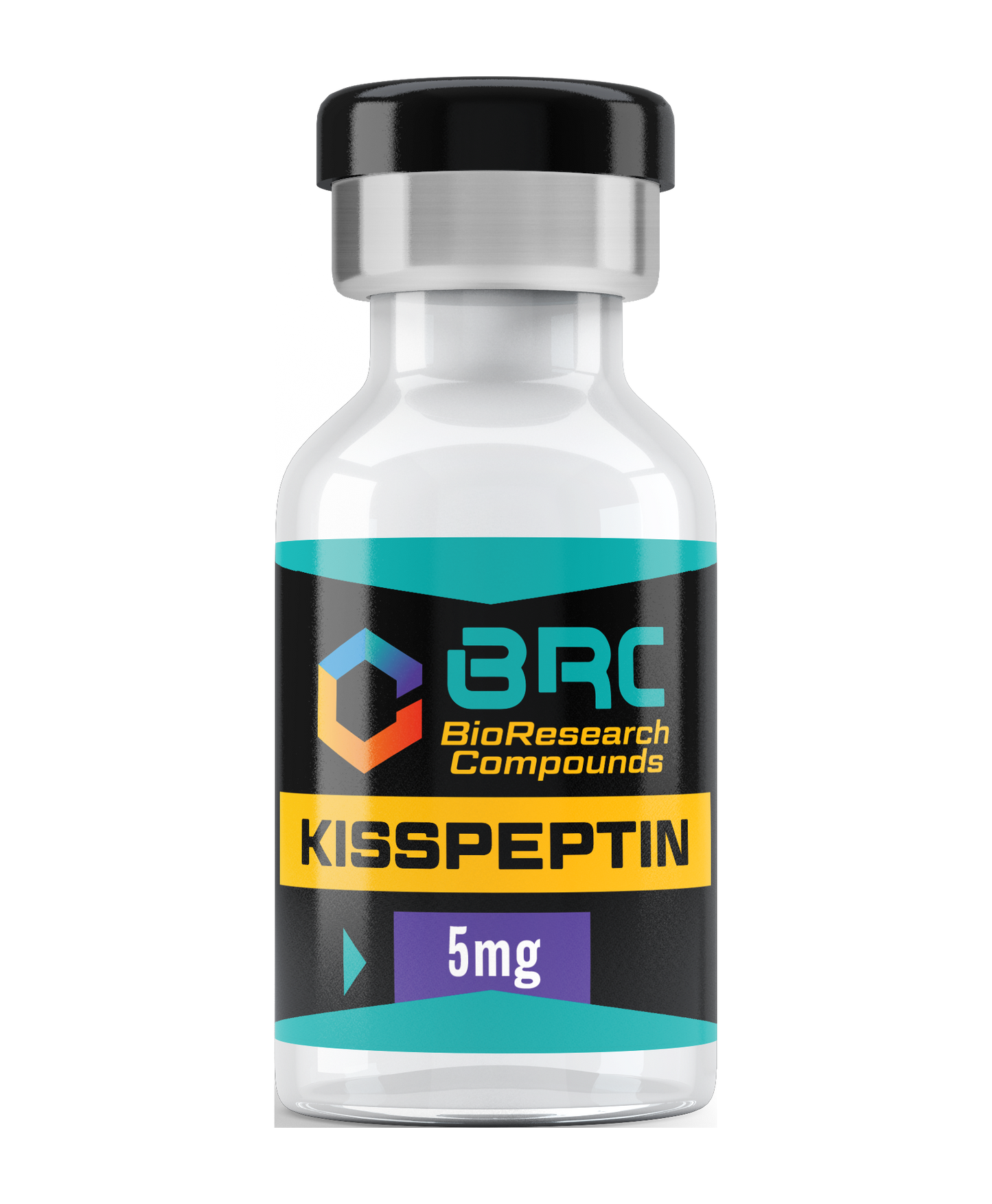
Kisspeptin-10 (Kp-10) is the shortest bioactive fragment of the full-length kisspeptin peptide, derived from the KISS1 gene, and is widely recognized for its potent action on the hypothalamic-pituitary-gonadal (HPG) axis. It exerts its physiological effects primarily through binding to the GPR54 (KISS1R) receptor, where it plays a crucial role in the initiation of puberty, regulation of reproductive hormone secretion, and fertility maintenance.
Due to its short sequence and high receptor affinity, Kisspeptin-10 is favored in clinical research and diagnostic applications, especially for GnRH stimulation testing, ovulation induction, and investigation of puberty disorders.
Kisspeptin-10 acts via the following key pathways:
KISS1R Activation: Binds to GPR54 receptors on GnRH neurons, stimulating the pulsatile release of gonadotropin-releasing hormone (GnRH).
Upregulation of LH and FSH: Stimulated GnRH secretion leads to increased luteinizing hormone (LH) and follicle-stimulating hormone (FSH) from the pituitary gland.
Modulation of Sex Hormones: Through the LH/FSH axis, it regulates the production of testosterone, estradiol, and progesterone.
Pubertal Trigger: Essential for the physiological onset of puberty, acting as a switch for reproductive hormone activation.
Preclinical and Clinical Studies:
Fertility Induction: Kisspeptin-10 has been shown to safely induce egg maturation and ovulation in IVF patients without elevating the risk of OHSS (ovarian hyperstimulation syndrome).
Male Reproductive Support: Demonstrates the ability to raise testosterone and LH levels in hypogonadal men without disrupting natural feedback mechanisms.
GnRH Testing: Used in diagnostic endocrinology to assess hypothalamic function and differentiate between pituitary vs hypothalamic causes of hormone deficiency.
Puberty Disorders: Explored in delayed or disordered pubertal onset due to its tight control over GnRH pulse generation.
Research Models: Studied for its role in stress response, energy availability, and circadian regulation of reproductive function.
Intended Use:
The information provided on this site is intended exclusively for educational and research purposes and should not be interpreted as medical guidance.
Research compounds, including Kisspeptin-10, are designed solely for laboratory investigation by qualified professionals and are not intended for human use or consumption.
The statements presented here have not been evaluated by the U.S. Food and Drug Administration, and the products discussed are not intended to diagnose, treat, cure, or prevent any disease.
Choosing a selection results in a full page refresh.