

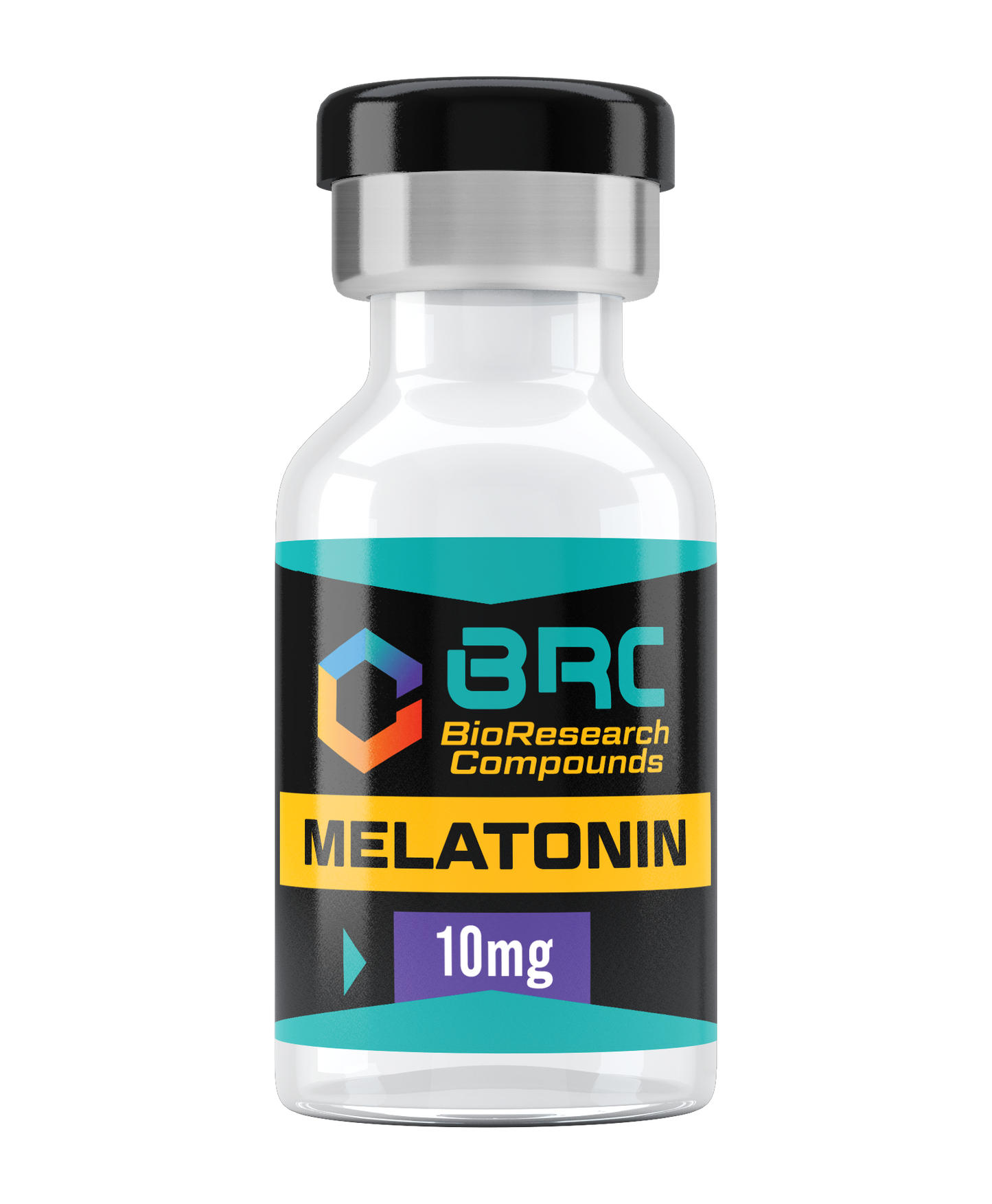
Melatonin (10mg)
Melatonin (10mg)
Couldn't load pickup availability
Overview:
Melatonin is an endogenously synthesized indoleamine derived from tryptophan, primarily produced in the pineal gland and classified as a neurohormone and peptide-like molecule due to its structure and biosynthetic origin. Though technically not a peptide by amino acid chain length, melatonin functions similarly to short regulatory peptides, influencing a wide range of physiological processes including circadian rhythm regulation, sleep-wake cycle, immunomodulation, antioxidant protection, and mitochondrial function.
Melatonin exerts systemic effects by binding to MT1 and MT2 G-protein-coupled receptors, as well as through receptor-independent mechanisms such as free radical scavenging, modulation of gene transcription, and cell membrane stabilization. Its roles in neurodegeneration, aging, oncology, and metabolic regulation are increasingly recognized in both basic and clinical research.
Collapsible content
What is Melatonin?
-
Mechanism of Action:
Melatonin operates via both receptor-mediated and non-receptor-mediated pathways:
- MT1 and MT2 receptor activation regulates circadian gene expression in the suprachiasmatic nucleus (SCN) and peripheral clocks
- Reduces reactive oxygen species (ROS) and reactive nitrogen species (RNS) by directly scavenging free radicals and enhancing antioxidant enzyme activity (e.g., SOD, GPx)
- Modulates mitochondrial bioenergetics and reduces cytochrome c release during oxidative stress
- Downregulates pro-inflammatory cytokines (e.g., TNF-α, IL-1β) and upregulates anti-inflammatory mediators
- Regulates apoptosis, cell proliferation, and oncogene suppression in cancer models through p53/p21 and Bcl-2 pathways
-
Preclinical and Clinical Studies:
- Demonstrated potent neuroprotective effects in Alzheimer’s, Parkinson’s, and stroke models by reducing oxidative damage, improving mitochondrial function, and suppressing neuroinflammation
- In clinical trials, shown to improve sleep quality, sleep latency, and daytime function in both elderly and shift workers
- May enhance immune response and cytokine balance in viral infections and cancer patients, acting as an immune buffer
- In reproductive medicine, melatonin supports oocyte quality, embryo development, and endometrial receptivity by reducing oxidative stress
- Found to protect against cardiac ischemia-reperfusion injury, diabetic neuropathy, and age-related macular degeneration through mitochondrial preservation
-
Intended Use:
- The information provided on this site is intended exclusively for educational and research purposes and should not be interpreted as medical guidance.
- Research compounds, including Melatonin, are designed solely for laboratory investigation by qualified professionals and are not intended for human use or consumption.
- The statements presented here have not been evaluated by the U.S. Food and Drug Administration, and the products discussed are not intended to diagnose, treat, cure, or prevent any disease.
