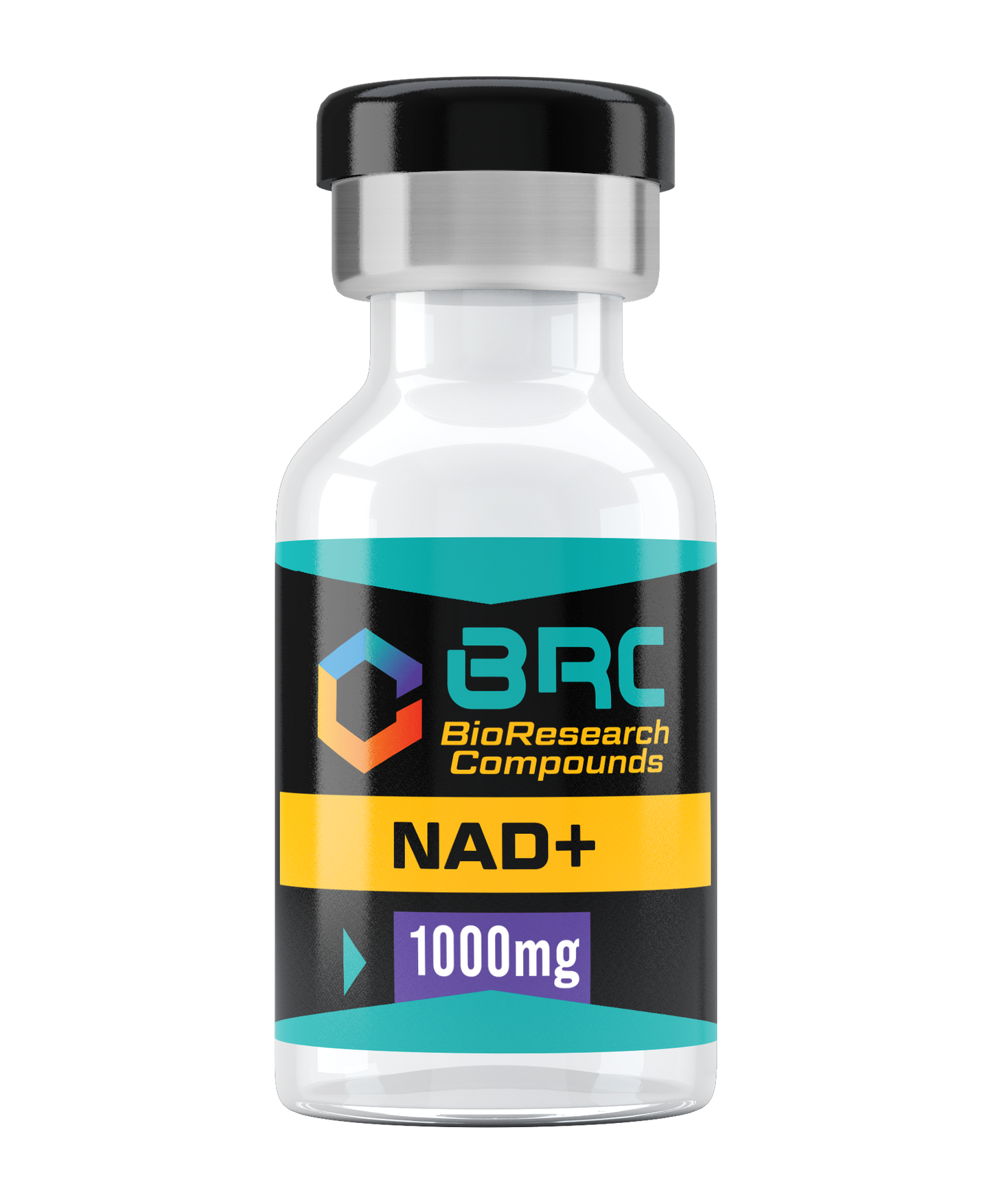
NAD+ (1000mg)
NAD+ (1000mg)
Couldn't load pickup availability
Overview:
NAD⁺ (nicotinamide adenine dinucleotide, oxidized form) is a vital pyridine nucleotide coenzyme found in all living cells, acting as a key electron carrier in redox reactions and as a substrate for sirtuins, PARPs, and other regulatory enzymes. Beyond its well known metabolic role in glycolysis, the TCA cycle, and oxidative phosphorylation, NAD⁺ serves critical functions in DNA repair, gene expression, circadian rhythm regulation, and cellular senescence suppression.
With advancing age or chronic stress, NAD⁺ levels decline significantly, impairing mitochondrial function and reducing the activity of longevity-associated proteins such as SIRT1–7. NAD⁺ restoration through supplementation with precursors (e.g., NMN, NR) or direct NAD⁺ administration has emerged as a promising therapeutic strategy in aging, neurodegeneration, metabolic disease, and inflammatory conditions.
Collapsible content
What is NAD+?
-
Mechanism of Action:
NAD⁺ functions as both a coenzyme in redox reactions and a substrate for non-redox enzymatic signaling:
Redox Cofactor:
- Accepts electrons during glycolysis, β-oxidation, and TCA cycle to form NADH
- NADH donates electrons to the electron transport chain, generating ATP via oxidative phosphorylation
Substrate for NAD⁺-Consuming Enzymes:
- Sirtuins (SIRT1–7): NAD⁺-dependent deacetylases that regulate genomic stability, inflammation, and mitochondrial biogenesis
- PARPs (Poly-ADP-ribose polymerases): Use NAD⁺ for DNA repair, especially in response to oxidative damage
- CD38 and CD157: NAD⁺ hydrolases involved in immune signaling and calcium mobilization
- cADPR and NAADP pathways: Important for intracellular calcium signaling
Declining NAD⁺ levels disrupt these pathways, leading to mitochondrial dysfunction, metabolic inflexibility, and accelerated aging.
-
Preclinical and Clinical Studies:
- In mice, NAD⁺ repletion improves insulin sensitivity, enhances muscle regeneration, and extends lifespan under certain conditions
- NAD⁺ precursors (e.g., NMN, NR) show promise in mitochondrial diseases, Alzheimer’s, and Parkinson’s disease
- IV NAD⁺ therapy has been reported to reduce opioid cravings and improve cognitive clarity, though placebo-controlled data is limited
- In models of ischemia-reperfusion injury, NAD⁺ administration preserves mitochondrial function and reduces cell death
- Enhances stem cell maintenance and reduces senescent cell burden in aged tissues
-
Intended Use:
- The information provided on this site is intended exclusively for educational and research purposes and should not be interpreted as medical guidance.
- Research compounds, including NAD+, are designed solely for laboratory investigation by qualified professionals and are not intended for human use or consumption.
- The statements presented here have not been evaluated by the U.S. Food and Drug Administration, and the products discussed are not intended to diagnose, treat, cure, or prevent any disease.