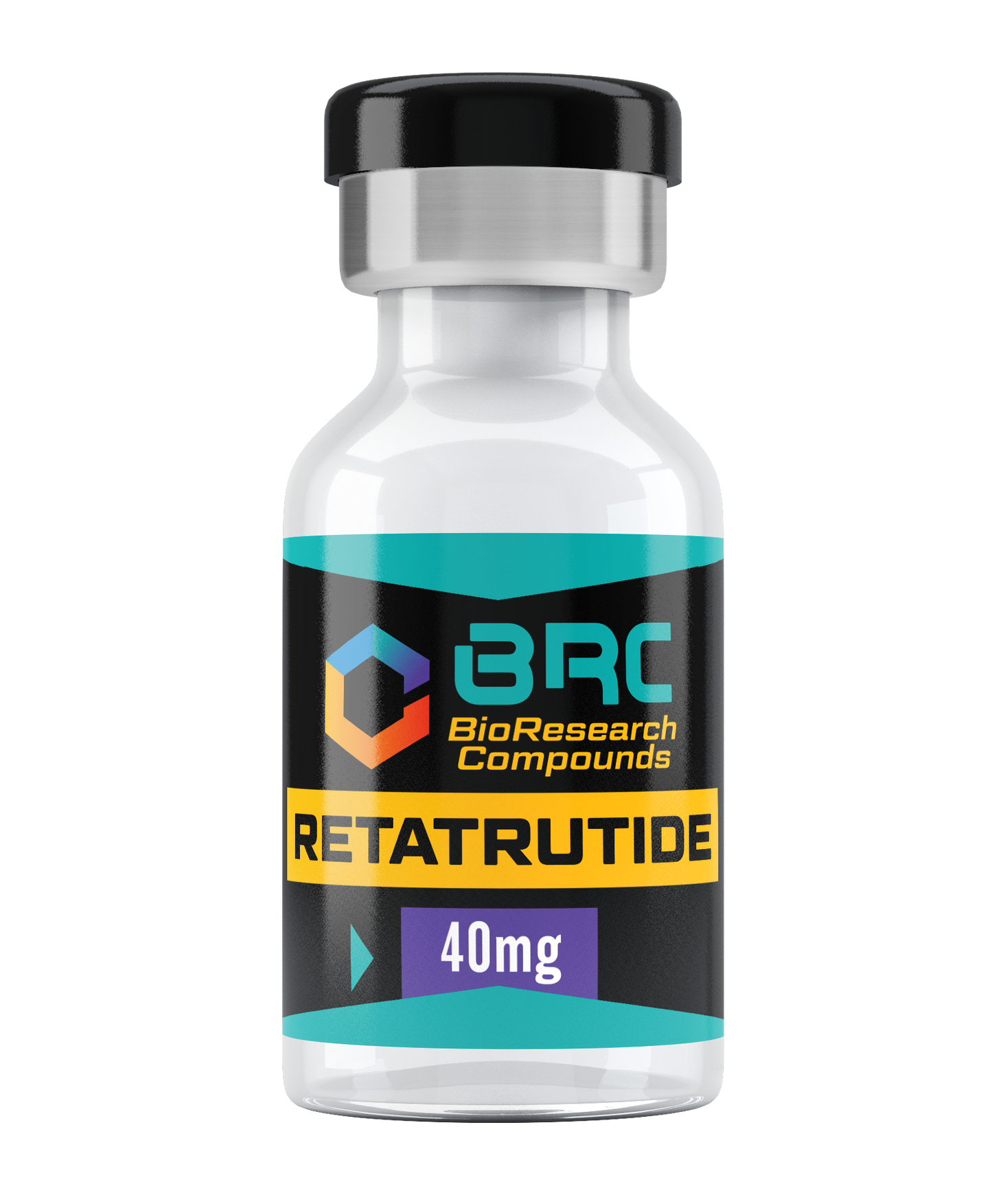
Retatrutide (40mg)
Retatrutide (40mg)
Couldn't load pickup availability
Overview:
Retatrutide is a novel investigational triple-receptor peptide agonist that simultaneously targets the GIP (glucose-dependent insulinotropic polypeptide), GLP-1 (glucagon-like peptide-1), and glucagon receptors (GCGR). Developed by Eli Lilly, Retatrutide represents a next-generation class of metabolic research compounds designed to produce profound weight-loss effects, enhanced glycemic control, and broad cardiometabolic improvements through multi-pathway hormonal modulation. In laboratory research settings, its activity across three key metabolic receptors has made it a significant subject of investigation for understanding advanced incretin biology and energy-regulation mechanisms.
Preclinical and controlled clinical studies indicate that Retatrutide has demonstrated unprecedented efficacy in research models of obesity, type 2 diabetes, and nonalcoholic fatty liver disease (NAFLD/MASLD). Its unique receptor profile has positioned it as a potential future leader in metabolic-pathway exploration, offering insights into how triple-agonist signaling may influence fat mass reduction, glucose metabolism, and cardiometabolic function. All studies remain strictly for scientific and mechanistic investigation rather than diagnostic or therapeutic application.
COA
COA
BPC-157 Test Results




What is Cagrilintide?
-
Mechanism of Action:
- Functions as an amylin receptor agonist, imitating the natural effects of amylin in appetite and energy regulation.
- Delays gastric emptying, leading to prolonged satiety and reduced post-meal blood sugar elevations.
- Activates amylin receptors within the hypothalamus and brainstem, promoting central satiety signaling and lowering food motivation.
- Suppresses glucagon secretion from pancreatic alpha cells, decreasing hepatic glucose production and fat storage.
- Exhibits extended stability and
bioavailability. - In combination with GLP-1 receptor agonists such as semaglutide, produces complementary metabolic effects, amplifying appetite suppression.
-
Preclinical Studies:
- Cagrilintide and related amylin analogues have been shown to decrease food intake, improve insulin sensitivity, and reduce circulating lipids.
- Studies combining amylin and leptin analogues revealed a synergistic effect, resulting in greater weight reduction, improved body composition, and enhanced lipid and glucose metabolism.
Investigational studies are evaluating:
- Obesity and metabolic syndrome
- Type 2 diabetes mellitus
- Cardiovascular and lipid disorders
- Non-alcoholic fatty liver disease and alcohol-related liver damage
- Neurodegenerative conditions, including exploratory interest in Alzheimer’s disease
Overall findings support its potential role in metabolic regulation, energy balance, and long-term weight management, though further clinical validation is needed.
-
Intended Use:
The information provided on this site is intended exclusively for educational and
research purposes and should not be interpreted as medical guidance.Research compounds, including Cagrilintide, are designed solely for laboratory investigation by qualified professionals and are not intended for human use or consumption.
The statements presented here have not been evaluated by the U.S. Food and Drug Administration, and the products discussed are not intended to diagnose, treat, cure, or prevent any disease.